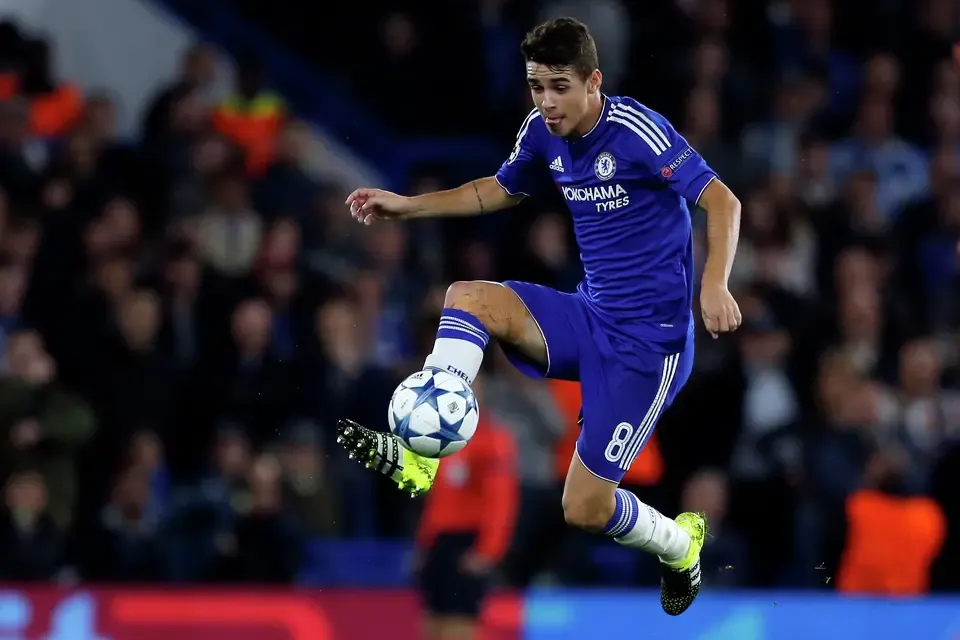
Former Chelsea F.C. and Brazil national football team midfielder Oscar has officially retired from professional football at the age of 34, concluding a career that blended elite performance with strategic financial decision-making. Known for his technical finesse and vision, Oscar rose to prominence in European football before making a high-profile move to China, reflecting shifting economic dynamics in the sport. His retirement not only marks the end of a decorated playing career but also highlights broader trends in football’s global financial ecosystem.
Career Overview: From Rising Star to Established Professional
Oscar emerged as one of Brazil’s most promising midfield talents, gaining international recognition through his performances at youth and senior levels. His move to Chelsea marked a defining phase, where he became an integral part of a squad competing at the highest levels of European football.
During his tenure in England, Oscar contributed to multiple domestic and international successes, earning a reputation for consistency, creativity, and tactical intelligence. His performances in high-pressure matches solidified his standing among the elite midfielders of his generation.
Strategic Shift: The Move to China
In a decision that captured global attention, Oscar transitioned from European football to the Chinese Super League during his prime years. While the move attracted criticism from purists, it underscored the growing financial allure of emerging football markets.
The transfer was widely interpreted as a calculated financial strategy, with reports suggesting a contract valued significantly higher than typical European earnings at the time. This shift reflected a broader trend in which players balanced competitive ambitions with long-term financial security.
Financial Implications and Market Trends
Oscar’s career trajectory offers valuable insight into football’s evolving economic landscape. His move to China coincided with a period of aggressive investment in the league, driven by corporate backing and government support.
Such transfers reshaped global player markets, influencing wage structures and transfer valuations. For many professionals, Oscar’s decision illustrated the viability of alternative career paths beyond traditional European leagues, particularly when aligned with financial optimization strategies.
Legacy on the Pitch
Despite his early departure from Europe’s top competitions, Oscar’s technical contributions remain widely acknowledged. His ability to dictate tempo, deliver precise passes, and contribute goals made him a versatile and impactful midfielder.
At the international level, he represented Brazil in major tournaments, adding to his credentials as a player capable of performing on the global stage. His career, while unconventional in its trajectory, reflects both sporting excellence and strategic foresight.
Post-Retirement Outlook
As Oscar transitions into retirement, attention will likely turn to his potential involvement in football-related ventures, whether in coaching, management, or business. Former players with international experience often leverage their networks and expertise to remain influential within the sport.
Given his exposure to diverse football markets, Oscar is well-positioned to contribute to the game in new capacities, potentially bridging gaps between established and emerging football economies.
Conclusion: A Career Defined by Skill and Strategy
Oscar’s retirement at 34 marks the conclusion of a career that combined technical brilliance with pragmatic decision-making. His journey—from Brazil to Europe and ultimately to Asia—reflects the increasingly globalized and financially complex nature of modern football.
While debates over sporting versus financial priorities may persist, Oscar’s legacy stands as a testament to the multifaceted considerations that define a professional athlete’s career in the contemporary era.
Comments