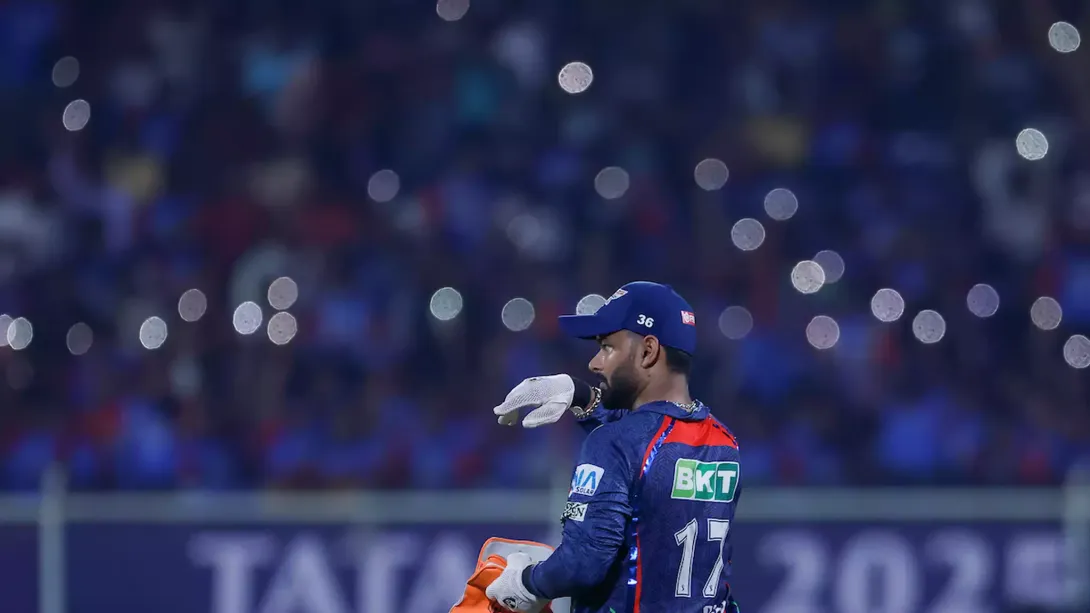
The upcoming season of the Indian Premier League places the Lucknow Super Giants at a crucial crossroads as the franchise seeks to convert financial investment into competitive success. After an underwhelming campaign last year, the team has restructured its leadership strategy and batting lineup to strengthen its playoff ambitions. At the center of the project is captain Rishabh Pant, whose Rs. 27 crore valuation underscores the franchise’s long-term commitment to star leadership and aggressive cricket. As IPL 2026 approaches, analysts are closely watching whether Lucknow’s recalibrated strategy can translate into consistent performances and reinforce its position in the increasingly commercialized landscape of franchise cricket.
Franchise Ambitions in a Billion-Rupee League
In the evolving business ecosystem of the Indian Premier League, teams operate as sophisticated sports enterprises rather than traditional cricket clubs. The Lucknow Super Giants, one of the league’s relatively young franchises, has rapidly positioned itself as a competitive contender through strategic recruitment and aggressive financial commitments.
Central to this vision is captain Rishabh Pant, whose acquisition for Rs. 27 crore represents one of the largest financial investments in IPL history. For the franchise, the decision was not merely about securing a prolific wicketkeeper-batsman; it was about establishing a long-term leader capable of shaping the team’s identity on and off the field.
High-value players in the IPL often serve as commercial anchors for franchises, attracting sponsorship deals, expanding fan engagement, and strengthening brand visibility across international markets.
Lessons From an Inconsistent Campaign
Despite strong expectations, the previous season proved challenging for the Lucknow Super Giants. The team struggled to maintain momentum throughout the tournament and ultimately finished outside the playoff positions.
Such outcomes highlight the volatile nature of T20 cricket, where a handful of matches can significantly influence tournament standings. Analysts pointed to inconsistent middle-order performances and the inability to close out crucial matches as key factors behind the team’s struggles.
For captain Rishabh Pant, the season served as a reminder that leadership in franchise cricket demands both individual brilliance and collective cohesion.
Strategic Adjustments Ahead of the New Season
Determined to improve their fortunes, the management of the Lucknow Super Giants has introduced several tactical changes ahead of IPL 2026.
One of the most significant developments involves restructuring the batting order to maximize the impact of key players. The leadership group believes that positioning experienced batsmen earlier in the lineup will provide greater stability during the middle overs—an increasingly critical phase in modern T20 cricket.
This strategic recalibration reflects a broader trend across the Indian Premier League, where teams rely heavily on data analytics and performance metrics to refine their match strategies.
Leadership Beyond the Cricket Field
In today’s IPL environment, captains are expected to function as both sporting leaders and public representatives of their franchises. For Rishabh Pant, this responsibility extends beyond scoring runs or making tactical decisions during matches.
He must manage a dressing room that includes international stars and emerging domestic talent, while also navigating the intense media scrutiny that accompanies one of the world’s most watched cricket tournaments.
Strong leadership culture, according to sports management experts, often determines whether teams can sustain long-term success in high-pressure leagues like the Indian Premier League.
The Economic Stakes for the Franchise
The financial scale of the IPL continues to grow, driven by multibillion-rupee broadcasting contracts, sponsorship agreements, and digital streaming partnerships. For the Lucknow Super Giants, success in the 2026 season carries both sporting and commercial implications.
A strong campaign would validate the franchise’s investment strategy and strengthen its brand equity within the league. Conversely, another inconsistent season could raise questions about roster construction and long-term planning.
In the business-driven world of franchise cricket, results on the field often translate directly into commercial momentum.
A Season That Could Shape LSG’s Future
As the next chapter of the Indian Premier League unfolds, the Lucknow Super Giants enter the tournament with renewed focus and heightened expectations.
With captain Rishabh Pant leading the side and a revised tactical blueprint in place, the franchise hopes to transform financial ambition into competitive achievement.
For cricket observers and sports economists alike, IPL 2026 will serve as an important case study in how strategic investment, leadership stability, and data-driven planning can shape the fortunes of modern sports franchises in one of the world’s most lucrative cricket leagues.
Comments