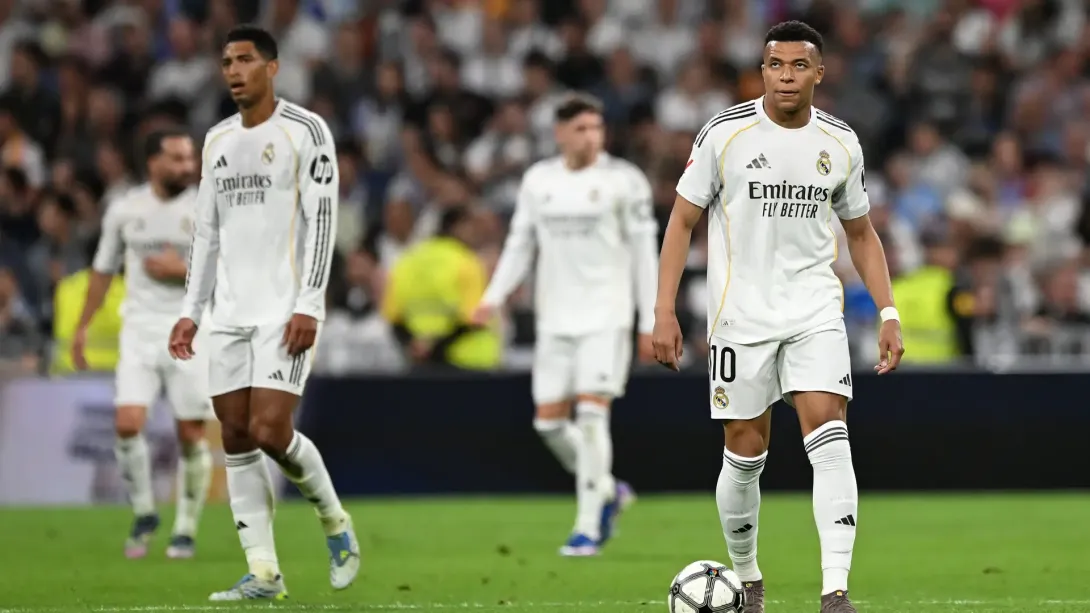
Real Madrid were held to a 1-1 draw by Girona FC in a tightly contested La Liga fixture, highlighting the growing competitiveness of Spain’s top division. The result represents a missed opportunity for Madrid to consolidate their position in the title race, while Girona’s disciplined performance underscores their emergence as a resilient contender. Beyond the immediate sporting outcome, the match reflects broader trends in league parity and strategic squad management, as clubs increasingly leverage tactical organization to challenge traditional powerhouses.
A Tactical Deadlock in La Liga
The clash between Real Madrid and Girona FC ended in a 1-1 draw, a result that encapsulated both the intensity and tactical nuance of modern La Liga football.
Real Madrid entered the match as clear favorites, yet Girona’s structured defensive approach and disciplined pressing disrupted their rhythm. The encounter evolved into a strategic contest, where moments of individual brilliance were counterbalanced by collective resilience.
Missed Opportunity for Title Consolidation
For Real Madrid, the draw represents a setback in the context of the title race. Dropping points in closely contested fixtures can have cumulative implications over the course of a long season, particularly in a league where margins are increasingly narrow.
From a strategic perspective, such results highlight the importance of squad rotation, in-game adaptability, and clinical finishing—factors that often determine championship outcomes.
Girona’s Rise as a Competitive Force
Girona FC’s performance reinforces their growing reputation as a formidable opponent. The team’s ability to secure a result against one of Europe’s elite clubs reflects both tactical maturity and effective resource utilization.
In financial terms, clubs like Girona exemplify how efficient management and data-driven strategies can offset disparities in budget and squad depth. Their resilience serves as a case study in maximizing competitive output within constrained resources.
Tactical Insights and Match Dynamics
The match was characterized by contrasting approaches. Real Madrid focused on possession-based build-up and attacking fluidity, while Girona prioritized defensive compactness and opportunistic transitions.
Such tactical diversity is increasingly common in La Liga, where mid-tier teams are leveraging advanced analytics and coaching methodologies to challenge established hierarchies.
Commercial and League-Wide Implications
From a business standpoint, results like this enhance the overall appeal of La Liga. Greater unpredictability drives viewer engagement, boosts broadcast value, and strengthens the league’s global brand.
For Real Madrid, maintaining consistent performance is critical not only for sporting success but also for sustaining commercial dominance. Meanwhile, Girona’s competitiveness contributes to a more balanced and marketable league ecosystem.
Conclusion
The 1-1 draw between Real Madrid and Girona FC underscores the evolving dynamics of La Liga. While Madrid will view the result as a missed opportunity, Girona can take confidence from a disciplined and effective performance.
As the season progresses, such outcomes are likely to play a decisive role in shaping the title race and reinforcing the league’s reputation for competitive balance and tactical sophistication.
Comments