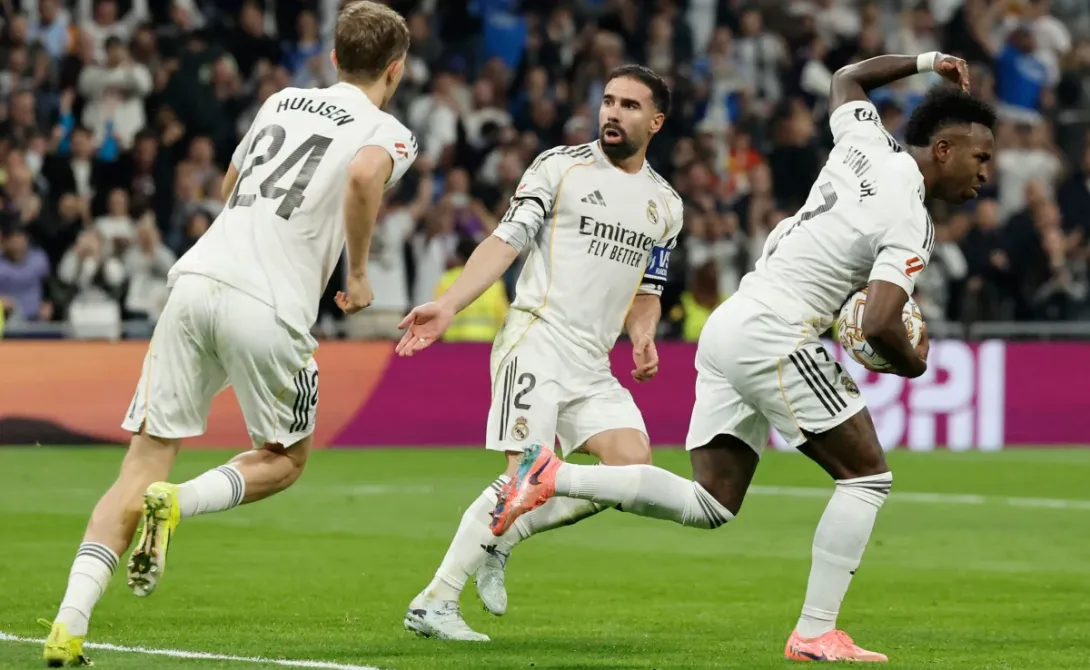
European heavyweights FC Bayern Munich and Real Madrid CF are set to collide in a marquee quarterfinal of the UEFA Champions League, a fixture that blends legacy, strategy, and significant financial implications. Both clubs enter the contest with strong domestic performances and ambitions of continental dominance. Beyond the pitch, the tie represents a convergence of global brands competing for sporting prestige and коммерческий supremacy. As anticipation builds, the outcome is expected to influence not only tournament progression but also revenue streams, sponsorship visibility, and long-term strategic positioning.
A Clash of European Titans
Few fixtures in world football command as much attention as Bayern Munich versus Real Madrid. With a combined history of multiple Champions League titles, both clubs symbolize excellence and sustained success at the highest level.
This quarterfinal encounter is more than a contest of skill—it is a meeting of institutional philosophies. Bayern’s structured efficiency contrasts with Madrid’s legacy-driven adaptability, creating a compelling narrative that extends beyond tactical considerations.
Strategic Stakes in a Billion-Euro Competition
The UEFA Champions League is one of the most lucrative tournaments in global sports, generating billions of euros in broadcasting and коммерческий revenue. Progression to the later stages significantly enhances financial returns for participating clubs.
For both Bayern Munich and Real Madrid, advancing to the semifinals would not only strengthen their chances of lifting the trophy but also boost income through prize money, global exposure, and enhanced brand valuation. In this context, the quarterfinal carries substantial economic weight.
Squad Depth and Tactical Intelligence
Both teams boast exceptional squad depth, allowing for tactical flexibility across different phases of play. Bayern Munich’s emphasis on high pressing and positional dominance is likely to test Real Madrid’s defensive organization.
Conversely, Real Madrid’s experience in high-pressure knockout matches provides a strategic advantage. Their ability to manage game tempo and capitalize on critical moments has historically defined their success in this competition.
Commercial Powerhouses on Display
Beyond sporting considerations, this fixture represents a clash of two of football’s most valuable brands. Real Madrid and Bayern Munich consistently rank among the highest-earning clubs globally, driven by extensive sponsorship portfolios and विशाल fan bases.
A strong performance in the Champions League amplifies these advantages, attracting additional sponsorship deals and reinforcing global market presence. The match thus serves as a मंच for both sporting achievement and commercial expansion.
Key Factors That Could Decide the Outcome
The tie is expected to hinge on fine margins, including midfield control, defensive resilience, and clinical finishing. Managerial decisions—ranging from team selection to in-game adjustments—will play a decisive role.
In knockout football, experience often proves invaluable. Real Madrid’s track record in late-stage Champions League fixtures could provide an edge, while Bayern’s tactical discipline ensures they remain formidable opponents.
Conclusion
As Bayern Munich and Real Madrid prepare for their Champions League quarterfinal showdown, the stakes extend far beyond progression to the next round. The match encapsulates the modern dynamics of elite football, where sporting excellence intersects with financial ambition and global branding. With both clubs aiming to assert dominance, the encounter promises to deliver not only high-quality football but also lasting implications for their competitive and commercial futures.
Comments