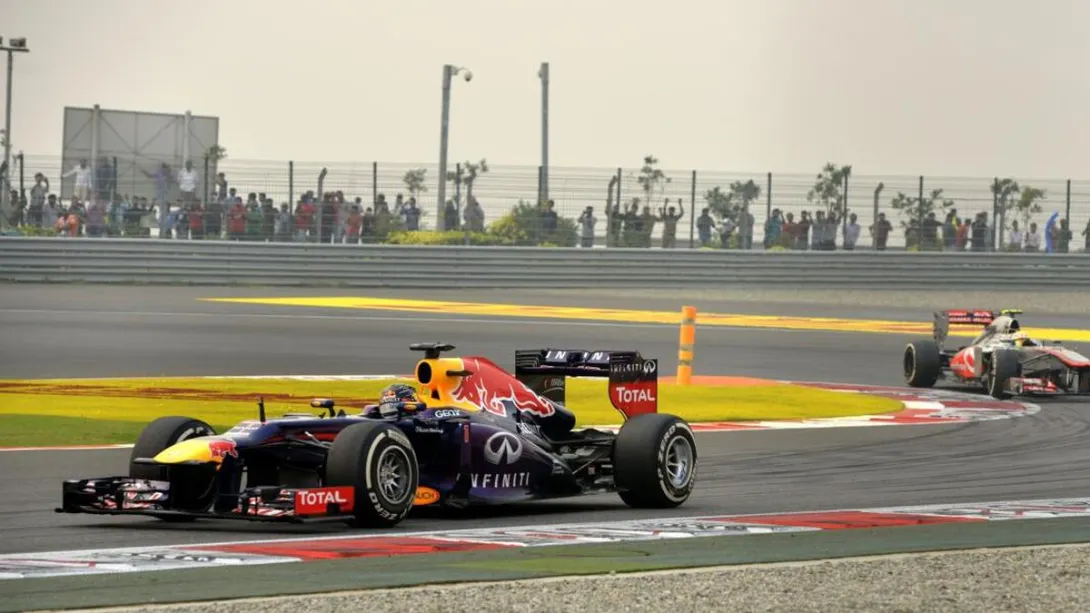
India is positioning itself for a high-profile return to Formula 1 racing in 2027, with Sports Minister Mansukh Mandaviya spearheading efforts to resolve legacy tax and regulatory challenges. The proposed revival centers on the Buddh International Circuit, which previously hosted the Indian Grand Prix until its discontinuation in 2013. With multiple companies expressing operational interest and policy reforms underway, the initiative reflects India’s ambition to re-enter the global motorsport ecosystem, enhance investment inflows, and leverage the commercial potential of premium international sporting events.
Policy Reset Signals Renewed Intent
India’s renewed push to host a Formula 1 race underscores a broader policy recalibration aimed at attracting global sporting events. Sports Minister Mansukh Mandaviya confirmed that the government is actively working to eliminate the fiscal and bureaucratic bottlenecks that previously hindered the sport’s sustainability in the country.
Speaking in New Delhi, Mandaviya indicated that the objective is not merely to revive a race but to establish a stable, investor-friendly framework capable of supporting long-term engagement with international sporting bodies.
Learning from the 2013 Exit
The withdrawal of the Indian Grand Prix after 2013 serves as a critical reference point for current policy reforms. At the time, complex taxation issues—particularly disputes over whether Formula 1 constituted a sporting or entertainment activity—resulted in significant financial burdens for stakeholders.
These regulatory ambiguities discouraged continued participation and ultimately led to the event’s discontinuation. The present initiative aims to address these structural inefficiencies, ensuring clarity in taxation and compliance requirements to avoid a repeat of past challenges.
Buddh International Circuit: The Strategic Venue
The Buddh International Circuit has been identified as the primary venue for the proposed 2027 race. Located in Greater Noida, the circuit remains one of India’s most advanced motorsport facilities, with a proven track record of hosting international events.
Government officials have indicated that at least three companies have expressed interest in operating the venue, signaling renewed confidence from private stakeholders. Such partnerships are expected to play a crucial role in managing event logistics, infrastructure upgrades, and commercial operations.
Commercial Upside and Economic Multiplier Effects
The return of Formula 1 presents a significant economic opportunity for India. From sponsorship agreements and broadcasting rights to tourism and hospitality revenues, the financial ecosystem surrounding a Formula 1 race can generate multi-crore (Rs.) inflows.
In addition to direct revenues, the event is likely to stimulate ancillary sectors, including real estate, transportation, and luxury services. The global visibility associated with Formula 1 also enhances India’s brand positioning as a destination for premium international events.
Global Stakeholders and Market Potential
The involvement of Liberty Media, which controls the commercial rights to Formula 1, will be pivotal in determining the success of India’s re-entry. While the company has not yet issued an official response, India’s large and rapidly growing consumer base makes it an attractive market.
With increasing digital consumption and a rising appetite for global sports entertainment, India aligns well with Formula 1’s expansion strategy into high-growth regions.
Strategic Implications for India’s Sports Economy
The proposed revival reflects a broader transformation in India’s sports economy, where policy, infrastructure, and private investment are increasingly aligned. By addressing regulatory challenges and fostering public-private partnerships, the government is positioning the country as a credible host for high-value global events.
This initiative also signals a shift toward diversification beyond traditional sports, expanding India’s footprint in motorsports and other premium segments.
Conclusion
India’s planned return to Formula 1 by 2027 represents a calculated effort to re-establish its presence in the global motorsport arena. With reforms targeting tax clarity and operational efficiency, the country is laying the groundwork for a sustainable comeback. If successfully executed at the Buddh International Circuit, the initiative could unlock substantial economic value and reinforce India’s status as an emerging hub for international sports business.
Comments